
From sunny drives along Long Island’s North Shore to daily trips through Huntington Station, a vehicle in Huntington, New York faces glare, heat, tree pollen, bird droppings, road grit, and changing seasonal weather. A thoughtful comfort and protection plan helps drivers prioritize upgrades that fit how they actually use their cars, rather than buying services one at a time without a clear purpose.
For example, exploring ceramic coating for cars in Huntington, NY can make sense for an owner who parks outside near the harbor, commutes on busy Long Island roads, or wants washing the vehicle to be less demanding. The right plan considers comfort inside the cabin, protection outside the vehicle, legal requirements, maintenance, and budget.
Vehicle upgrades work best when they solve specific problems. One driver may need relief from afternoon glare on Route 110, while another may be more concerned about paint chips from highway travel or preserving the finish on a newer vehicle. Comfort, appearance, and protection products have different jobs, so they should be chosen accordingly.
A plan also prevents overlap and wasted spending. Paint protection film can guard vulnerable painted panels against small impacts, while ceramic coating is better suited to enhancing gloss and simplifying routine cleaning. Window film may improve comfort and reduce glare, but it should be selected based on tested performance and legal light-transmission limits, not darkness alone.
Table of Contents
Start With Your Huntington Driving Habits
Before searching for automotive ceramic coating near me, take an honest look at where the vehicle spends its time. A garage-kept weekend car needs a different approach than a commuter vehicle parked outdoors all day in Huntington, Melville, Commack, or nearby coastal communities.
Questions That Clarify Priorities
- How many hours does the vehicle sit in direct sunlight?
- Is it usually parked under trees, near salt air, or in an uncovered lot?
- Does most driving involve highways, local errands, or gravel and construction zones?
- Do children, pets, or passengers regularly ride in the vehicle?
- Will you keep the vehicle for several more years?
A daily commuter may put heat rejection and easy cleaning at the top of the list. A sports-car owner who drives mostly on weekends may instead focus on the front bumper, hood, mirrors, and other panels exposed to road debris.
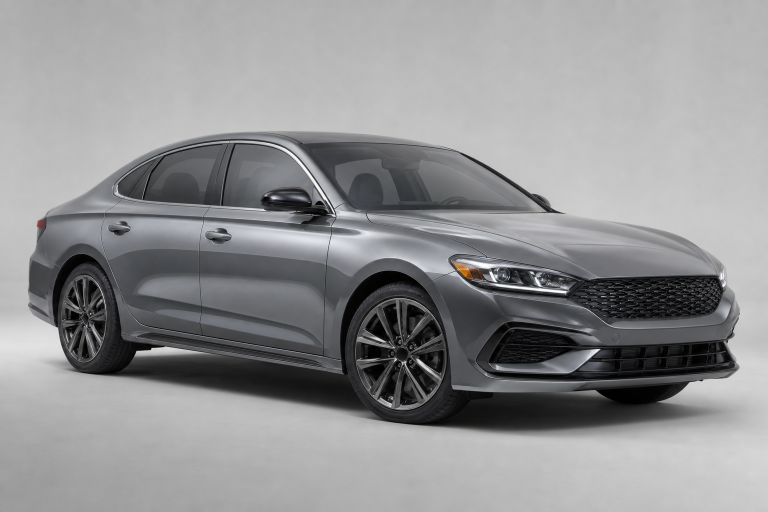
Choose The Right Window Film
Window film should be evaluated by visible light transmission, heat rejection, UV performance, glare reduction, optical clarity, and color stability. A darker film is not automatically a better film. In fact, properly selected UV window film can block more than 99 percent of UVA and UVB light, according to guidance on how UV window film protects drivers.
Common Film Categories
- Dyed film: A basic choice for appearance and moderate glare control.
- Metalized film: Uses reflective particles to manage heat, though some products may affect electronic signals.
- Carbon film: Offers a non-reflective appearance and generally stronger color stability than entry-level options.
- Ceramic film: Often selected for heat rejection, UV control, and clear visibility without a highly reflective look.
Check New York Tint Rules
Legal research should come before selecting a shade. The New York DMV tinted-window requirements state that windshields and front side windows must allow at least 70 percent of outside light to pass through. Rear-window requirements can depend on the vehicle’s design and whether it has qualifying outside rear-view mirrors.
- Ask whether the factory glass already has a tint value.
- Confirm the combined glass-and-film measurement will comply.
- Review rules for the specific vehicle type, especially rear windows.
- Keep medical-exemption paperwork in the vehicle if applicable.
Protect The Exterior
Huntington-area roads can expose paint to sand, salt residue, pollen, sap, and small stones. Paint protection film provides a physical barrier on high-impact areas and may help reduce chips and light surface damage. Ceramic coating creates a durable surface layer that can improve water behavior and make washing easier, but it is not a substitute for impact-resistant film.
Vinyl wraps are primarily an appearance choice because they change color or finish without permanent repainting. Professional detailing is equally important because decontamination and paint correction create the clean, smooth surface needed before applying film, coating, or wrap material.
Compare Coatings, Film, And Wraps
- Rock chips on the bumper or hood: Prioritize paint protection film because it offers a physical defense against small impacts.
- Water spots and difficult wash days: Consider ceramic coating for improved surface slickness and easier cleanup.
- Intense sunlight and glare: Choose a legal, UV-rated window film with performance data that matches daily driving conditions.
- A different exterior color: Consider a vinyl wrap when visual customization is the main objective.
Plan For Maintenance
Installation is only the first step. Follow curing instructions, use clean microfiber towels and mild automotive soap, and avoid abrasive brushes on protected surfaces. Rinse away bird droppings, salt, and tree residue promptly, especially after coastal trips or winter driving.
Household glass cleaners, rough sponges, and sharp tools can damage certain films or finishes. Ask for product-specific care instructions and find out how repairs are handled if an edge lifts, a wrapped panel is damaged, or a coating needs attention.
Set A Realistic Budget
Start with the issue that affects daily ownership the most. Protect high-risk front-end panels before coating every exterior surface, or improve cabin comfort with compliant window film before adding cosmetic upgrades. Request written estimates that separate preparation, materials, labor, warranty coverage, taxes, and optional services.
Questions To Ask Before Installation
- What product line and performance ratings will be used?
- How will the paint or glass be prepared?
- Will the installation take place indoors?
- What does the warranty cover, and what does it exclude?
- What maintenance products are recommended?
- How will the selected window film comply with New York law?
Final Checklist
- Identify the vehicle’s biggest comfort or protection concern.
- Match each product to its intended job.
- Check current New York tint requirements before installation.
- Compare measured performance, warranty terms, and maintenance needs.
- Choose the upgrade that solves the most important daily problem first.
A smart vehicle plan for Huntington, NY does not need every available upgrade. It should reflect local driving conditions, parking habits, state rules, and the owner’s budget. With careful choices and consistent care, drivers can keep their vehicles cleaner, more comfortable, and better protected for years ahead.

My passion of providing Tech to Gadget lovers with the latest ups & downs happening in the World of Technology and innovation made this blog come true.